
The global investment environment has undergone a profound transformation. Capital is no longer constrained by borders, traditional asset classes, or slow institutional channels. Today’s investors can deploy funds globally within minutes – into private equity, frontier real estate, artificial intelligence, infrastructure, and emerging technologies.
Nowhere is this shift more visible than in the Middle East.

Once viewed primarily through the lens of oil dependency, the region has repositioned itself as a strategic hub for global capital, entrepreneurship, and long-term wealth planning. Ambitious national development frameworks, large-scale infrastructure projects, and increasingly investor-friendly regulations have reshaped the region’s economic profile.
Countries across the Gulf and surrounding regions are actively diversifying into technology, logistics, finance, tourism, clean energy, and advanced manufacturing. Combined with favorable tax regimes, strategic geography linking Europe, Asia, and Africa, and expanding residency-by-investment pathways, the Middle East has become a serious contender for global investors in 2026.
That said, success in this region requires precision. Each country operates under distinct legal frameworks, investment thresholds, residency rules, and cultural norms. The right choice depends on how well a jurisdiction aligns with your capital strategy, risk tolerance, and long-term objectives.
Investing in the Middle East: Key Advantages and Considerations
Advantages
One of the region’s strongest appeals remains tax efficiency. Several Middle Eastern countries impose no personal income tax, no capital gains tax, and no inheritance or wealth taxes, while maintaining competitive corporate tax regimes.
Governments are also actively encouraging foreign capital through:
- Long-term residency programs and investor visas
- Large-scale national development initiatives
- Free zones offering 100% foreign ownership and streamlined regulation
Add to this world-class infrastructure, expanding financial markets, and a young, consumption-driven population, and the investment case becomes compelling.
Considerations
Despite rapid diversification, some economies remain partially exposed to energy price cycles. While bureaucracy has improved significantly, certain processes-especially exits-can still be slower than in long-established Western markets.
Competition is intensifying as global capital floods in, and while ESG standards are improving, frameworks and data transparency can still lag behind mature markets. Cultural and regulatory environments also differ from Europe or North America, requiring informed adaptation rather than assumptions.
The Best Middle Eastern Countries to Invest in for 2026
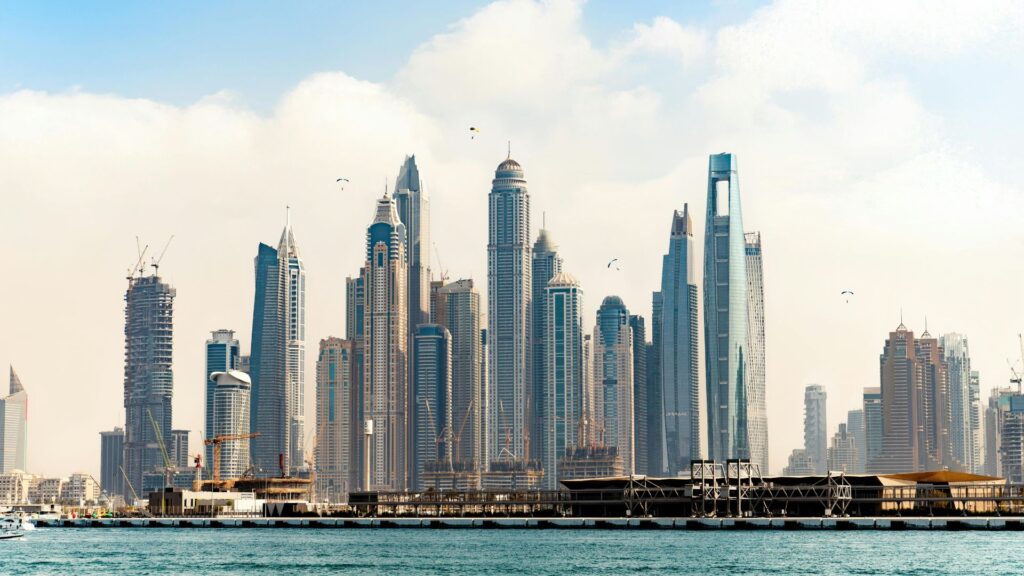
1. United Arab Emirates
The United Arab Emirates continues to lead the region as a global business and investment hub.
Individuals benefit from zero personal income tax, while businesses face a 9% federal corporate tax on profits above AED 375,000. Many free-zone companies can still qualify for 0% corporate tax on specific income streams if regulatory criteria are met.
Residency is highly accessible through long-term visa programs, most notably via real estate investment:
- AED 2 million for a 10-year renewable visa
- AED 750,000 for a 2-year renewable visa
The UAE stands out for regulatory clarity, speed of company formation, deep capital markets, and a lifestyle that appeals equally to entrepreneurs, families, and institutional investors.
2. Oman
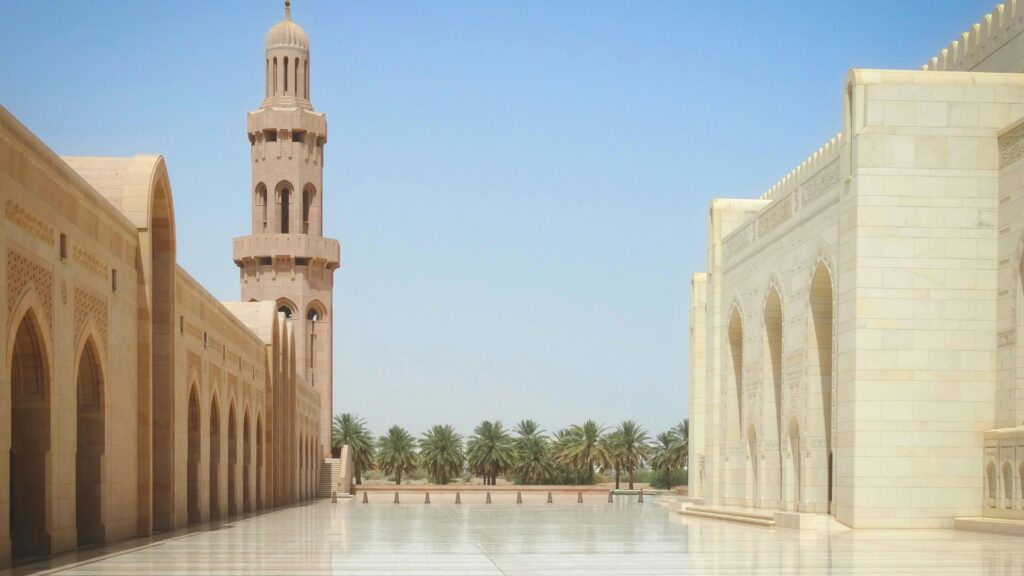
Oman represents one of the most attractive frontier investment opportunities in the region.
The country imposes no personal income, capital gains, wealth, or inheritance taxes. Corporate income is generally taxed at 15%, with incentives available in key sectors and free zones.
Investor residency is available through:
- OMR 250,000 investment for a 5-year renewable visa
- OMR 500,000 investment for a 10-year renewable visa
Oman appeals to investors seeking stability, lower competition, and long-term growth tied to its Vision 2040 diversification strategy.
3. Turkey
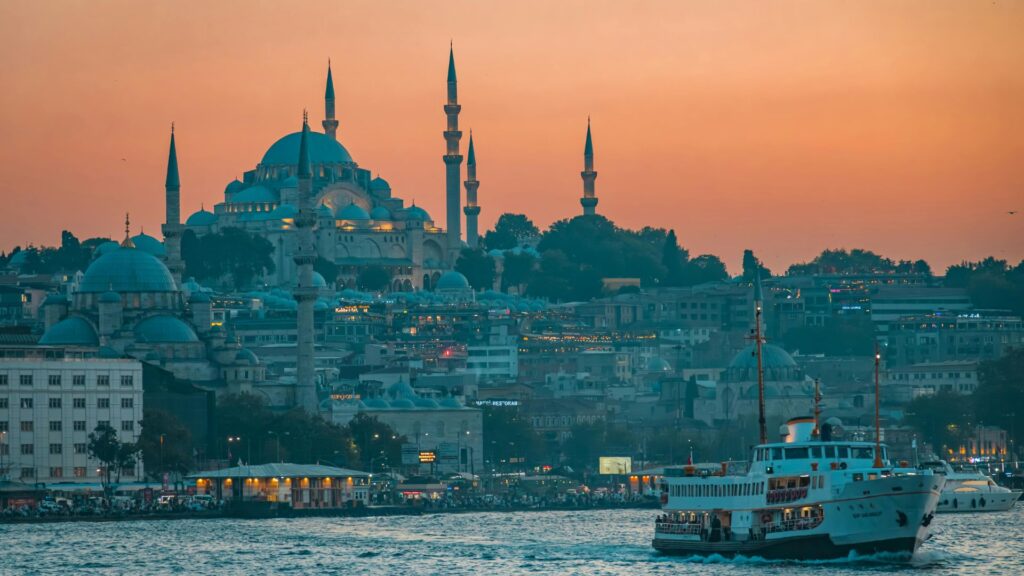
Turkey offers a unique blend of emerging-market growth and strategic access between Europe, the Middle East, and Asia.
While tax rates are higher than in the Gulf-personal income tax up to 40% and corporate tax around 25%-significant incentives are available through government-issued Investment Incentive Certificates. These can reduce taxes, eliminate VAT on imports, and subsidize employment costs.
Turkey’s standout feature is its citizenship-by-investment program, most commonly achieved through:
- US$400,000 real estate purchase (held for three years)
- US$500,000 bank deposit or government bond investment
Citizenship processing is relatively fast and provides meaningful global mobility and strategic optionality.
4. Qatar
Qatar maintains zero personal income tax and a flat 10% corporate tax, with exemptions available in designated free zones.
Residency options include:
- Property investment of QAR 730,000 for renewable residency
- Property investment of QAR 3.65 million for permanent residency
Permanent residency offers access to state healthcare and education, though citizenship remains exceptionally rare for foreigners. Qatar suits investors prioritizing capital preservation, long-term residency, and exposure to one of the world’s wealthiest economies per capita.

5. Bahrain
Bahrain is often overlooked but offers one of the region’s most attractive tax environments.
There is no personal income tax, capital gains tax, wealth tax, or inheritance tax, and most companies pay no corporate income tax outside of oil, gas, and certain multinational thresholds.
Long-term residency is accessible through property investment of approximately BHD 200,000, granting a renewable 10-year visa.
Bahrain excels in ease of doing business, particularly for finance, fintech, and professional services, with efficient company setup and full foreign ownership in most sectors.

Frequently Asked Questions
Which Middle Eastern economy is the largest?
Saudi Arabia has the largest GDP overall, while Qatar ranks among the highest globally in GDP per capita.
Is the Middle East still dependent on oil?
Energy remains important, but non-oil sectors-technology, finance, tourism, logistics, and private markets-are now major growth drivers.
Where is property investment most attractive?
Dubai remains the most active market, while Oman and Bahrain offer lower entry points and less competition.
Which country is best for startups and venture capital?
The UAE leads the region due to its infrastructure, regulatory frameworks, and access to global funding networks.
Final Perspective
The Middle East in 2026 is no longer a speculative bet-it’s a strategic allocation.
The region offers a rare combination of tax efficiency, capital-friendly regulation, long-term residency pathways, and exposure to fast-growing sectors. While citizenship options are limited in the Gulf itself, residency-based strategies paired with global diversification can deliver substantial advantages.
For investors willing to think internationally and plan carefully, the Middle East represents one of the most powerful regions for building, preserving, and scaling wealth in the decade ahead.

