
For established entrepreneurs, relocating to Europe is rarely just about paying less tax. More often, it’s about access – to skilled talent, stable legal systems, deep consumer markets, strong infrastructure, and long-term mobility.
The European Union continues to attract founders who are willing to accept moderate taxation in exchange for world-class business ecosystems, personal stability, and the ability to operate freely across multiple countries.

An EU residence permit can be the first step toward:
- Long-term residence or permanent status
- Eventual citizenship in an EU member state
- Full access to the EU single market
- Greater personal and professional flexibility
The key is choosing the right country and the right program – because not all EU states are equally open to foreign entrepreneurs.
Why Start a Business in the EU?
Europe rewards substance over speculation.
Unlike jurisdictions that accept nearly any business for residency purposes, many EU countries are selective. They prioritise ventures that:
- Create local employment
- Contribute measurable economic value
- Demonstrate long-term sustainability
This higher bar can be frustrating – but it also creates stability. Entrepreneurs who qualify gain access to:
- Predictable legal systems
- Strong intellectual property protection
- Highly educated workforces
- Consumer markets of over 450 million people
With careful planning, business-based residency can also lead to permanent residence or citizenship after several years.
The 5 Best EU Residence Permits for Entrepreneurs in 2026
1. United Kingdom (Non-EU but Strategically Relevant)
Although no longer part of the EU, the UK remains a top destination for entrepreneurs seeking an English-speaking environment and proximity to European markets.
The Innovator Founder Visa requires:
- A genuinely innovative business idea
- At least £50,000 in investment
- Endorsement from an approved body
The UK is highly selective and looks for scalable, high-impact companies—not lifestyle businesses.
Tax considerations:
- Progressive personal income tax up to 45%
- Corporate tax at 25%
- Available incentives include R&D tax relief and early-stage investment schemes
This option suits founders building high-growth or technology-driven businesses.

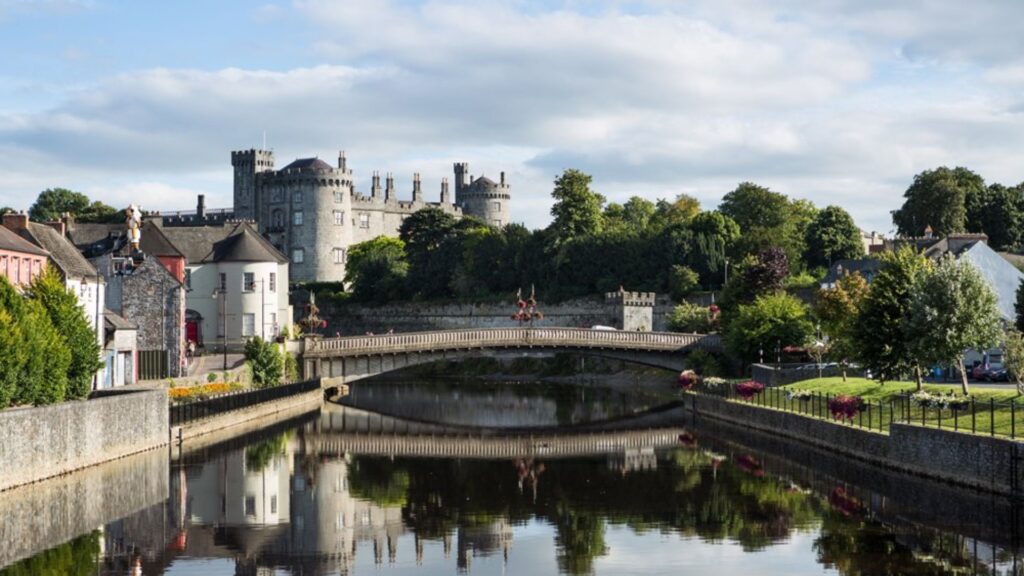
2. Ireland
Ireland combines EU membership, a strong startup ecosystem, and one of Europe’s most competitive corporate tax environments.
Entrepreneurs typically qualify through:
- The Immigrant Investor Programme (investment-based)
- The Start-Up Entrepreneur Programme for high-potential businesses
Authorities prioritise ventures capable of:
- Creating skilled jobs
- Reaching €1 million in turnover
- Scaling internationally
Tax considerations:
- Corporate tax: 12.5%
- Personal income tax: up to 40%
- Strong R&D and reinvestment incentives
Ireland is particularly attractive for tech, SaaS, biotech, and internationally focused companies.
3. France
France offers a flexible Talent Passport residence permit for entrepreneurs and investors.
Key requirements typically include:
- €300,000 investment
- Proof of job creation or economic contribution
France places less emphasis on innovation and more on employment and economic substance.
Tax considerations:
- Personal income tax up to 45%
- Corporate tax at 25%
- High social security costs for employers
France works best for entrepreneurs who value EU access and lifestyle benefits over tax efficiency.

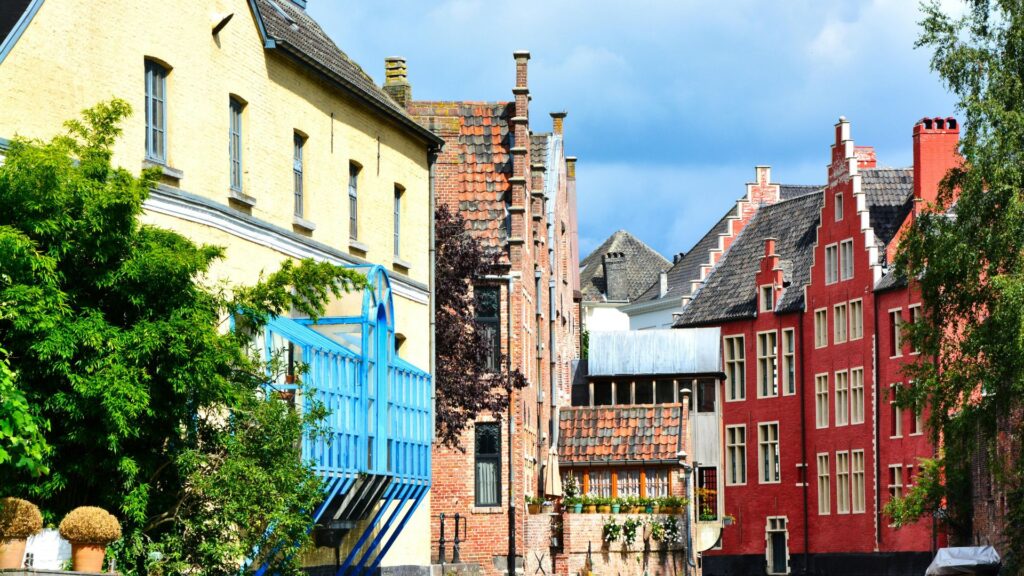
4. Belgium
Belgium offers one of the most accessible business-based residence permits in the EU.
There are:
- No strict revenue thresholds
- No minimum profitability requirements
- Strong openness to small and mid-sized enterprises
Authorities focus on whether the business genuinely operates within Belgium and contributes locally.
Tax considerations:
- Personal income tax up to 50%
- Corporate tax at 25%
- High employer social contributions
Despite high taxes, Belgium is attractive for entrepreneurs seeking a relatively straightforward path to permanent residence and eventual EU citizenship.
5. Portugal
Portugal remains popular, though its residency programs have evolved significantly.
The revised investment routes include:
- Venture capital fund investment
- Research and innovation funding
- Job creation
- Cultural and heritage investment
Real estate is no longer a qualifying option.
Tax considerations:
- The original NHR regime ended in 2023
- A new successor regime (often called NHR 2.0) focuses on innovation, science, and technology
- Eligible individuals may benefit from reduced taxation on Portuguese income and exemptions on certain foreign income
Portugal suits entrepreneurs who prioritise lifestyle, geographic location, and EU access.

Benefits of a Long-Term EU Residence Permit
While requirements vary, EU residence permits can lead to:
- Permanent residence after 5 years (in most cases)
- Eligibility for citizenship over time
- Full access to the EU labour and business market
- Greater family stability and long-term planning security
For entrepreneurs with a viable business plan, EU residency remains one of the most valuable legal statuses globally.
Alternatives Outside the EU
If your business does not meet EU criteria, other regions offer faster or more flexible options, including:
- Middle Eastern residency programs
- Select Asian entrepreneur visas
- Citizenship-by-investment routes in other regions
In some cases, establishing residency elsewhere can later support a return to Europe under different conditions.
Best EU Residence Permit for Entrepreneurs: FAQs
Can UK citizens still obtain EU residence permits?
Yes. UK nationals must apply under national immigration rules, such as self-employment permits or the EU Blue Card.
What is the cheapest EU residence option?
Costs vary, but self-employment and startup permits are generally more affordable than investor visas. Certain Baltic and Southern European countries remain cost-effective.
Does EU permanent residence expire?
Permanent residence usually does not expire, though long absences can affect status.
Choosing the Right Path
Relocating a business internationally should create clear strategic advantages – not complexity without payoff.
With the right structure, entrepreneurs can combine:
- Legal residency
- Market access
- Long-term security
- Scalable business opportunities
Europe remains one of the most powerful regions for founders who plan carefully, commit to substance, and think long term.

