
Why Capital Gains Tax Matters
At Soland, one core principle guides everything we do: people should live and invest where they are treated best.
That belief drives our work and our constant search for legal, strategic ways to help individuals protect, grow, and diversify their wealth. Our team explores jurisdictions around the world that actively welcome foreign investors and make it easier to keep more of what you earn.
Reducing tax exposure is central to any smart international strategy, which is why capital gains tax (CGT) plays such a critical role. Taxes on profits from selling assets – whether real estate, shares, or other investments – can significantly affect long-term returns and overall wealth planning.
We view capital gains tax as one of the most discouraging forms of taxation, often limiting reinvestment and slowing capital growth. While many countries impose steep CGT rates, others take a very different approach.
This guide focuses on countries that do not tax capital gains and also offer a high quality of life, legal certainty, and expat-friendly environments – ideal for investors who prefer holding assets personally rather than through offshore entities.
Countries with No Capital Gains Tax
These eight jurisdictions are popular among global investors and entrepreneurs due to favorable tax treatment, stable systems, and attractive lifestyles. Some exempt securities trading, others eliminate CGT entirely, and a few apply nuanced rules depending on activity type.
8. Switzerland
Switzerland combines natural beauty, financial sophistication, and investor-friendly policies. Private individuals generally do not pay capital gains tax on securities unless trading constitutes a professional activity

Gains from selling privately held real estate are exempt, while business property gains are taxed as income. Cantonal and municipal taxes apply to property transactions, and rates vary by region.
Switzerland uses a progressive system for property taxation – the longer an asset is held, the lower the effective tax burden. This makes long-term ownership more affordable than many assume.
7. Singapore
Singapore remains one of the world’s most business-friendly economies and traditionally imposed no capital gains tax.

Profits from selling shares, financial instruments, or personal investments are generally not taxable. However, as of 2024, Singapore began taxing certain foreign-sourced gains, including capital gains from overseas assets, depending on whether the entity has sufficient economic substance in Singapore.
Despite this shift, Singapore continues to be a leading low-tax, English-speaking hub with strong banking, infrastructure, and global connectivity.
6. Cayman Islands
The Cayman Islands are synonymous with tax efficiency. This Caribbean jurisdiction does not impose capital gains tax on any transactions, making it a favorite for global investors and offshore structures.
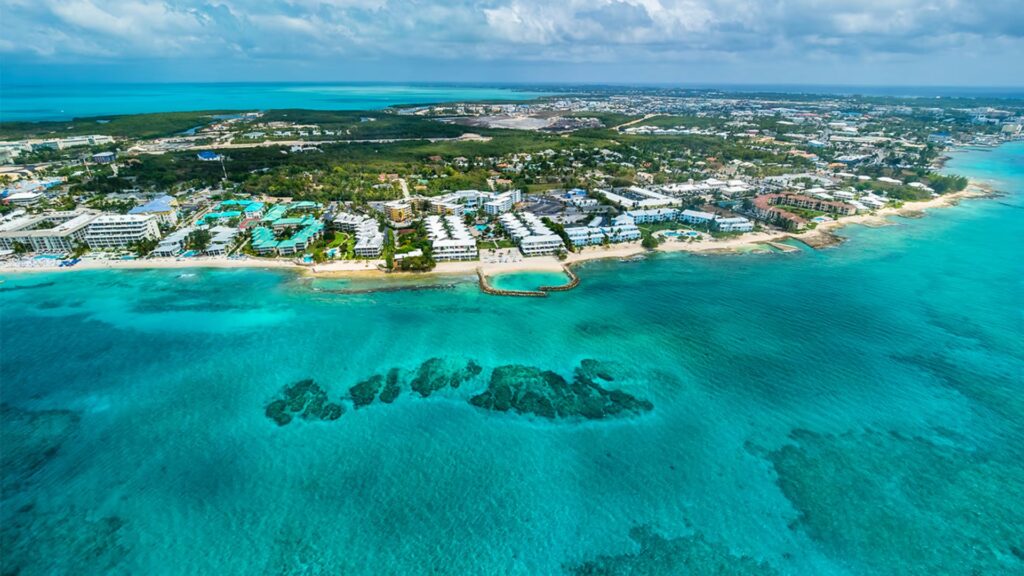
While other countries may tax Cayman-based entities, the territory itself does not levy CGT. Combined with a high standard of living, political stability, and English-speaking environment, the Caymans remain a top choice for tax-conscious individuals.
5. Monaco
Monaco is one of the world’s most famous tax havens – and for good reason. Capital gains are not taxed, making it especially attractive to high-net-worth individuals.
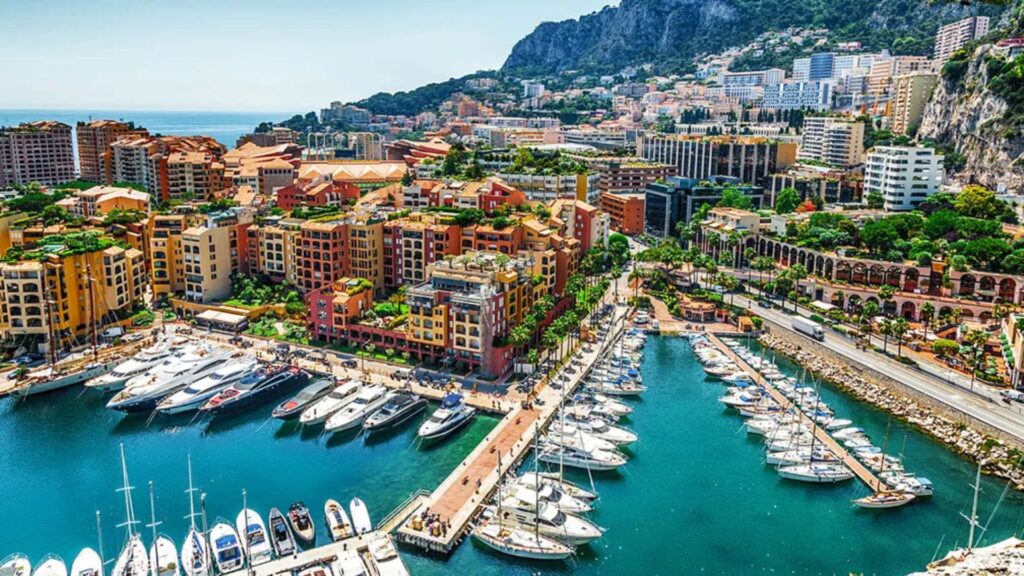
The main exception applies to French citizens, who remain subject to French taxation. For everyone else, Monaco offers residency options, financial privacy, and an elite lifestyle within a pro-business environment.
4. Belgium
Belgium proves that capital flight is real. While the country has a relatively heavy overall tax system, most private capital gains are not taxed.

The key distinction lies between private asset management and speculative or professional activity. Capital gains are generally exempt if considered part of normal private wealth management. However, speculative transactions may be taxed at 33%.
Corporate capital gains are taxed at standard corporate rates, and special rules apply to real estate, land, substantial shareholdings, and intellectual property. While complex, Belgium’s mostly CGT-free system makes it one of Europe’s more attractive jurisdictions for private investors.
3. New Zealand
New Zealand combines political stability, strong property rights, and one of the world’s freest economies. There is no general capital gains tax on investments or equities.

Although laws exist that could tax real estate purchased with the intent to resell, enforcement has historically been limited. This makes New Zealand a compelling base for long-term investors seeking simplicity and legal certainty.
2. Belize
Belize has steadily gained attention as a second-residency destination for expats. This English-speaking Central American country does not tax capital gains for residents or non-residents.
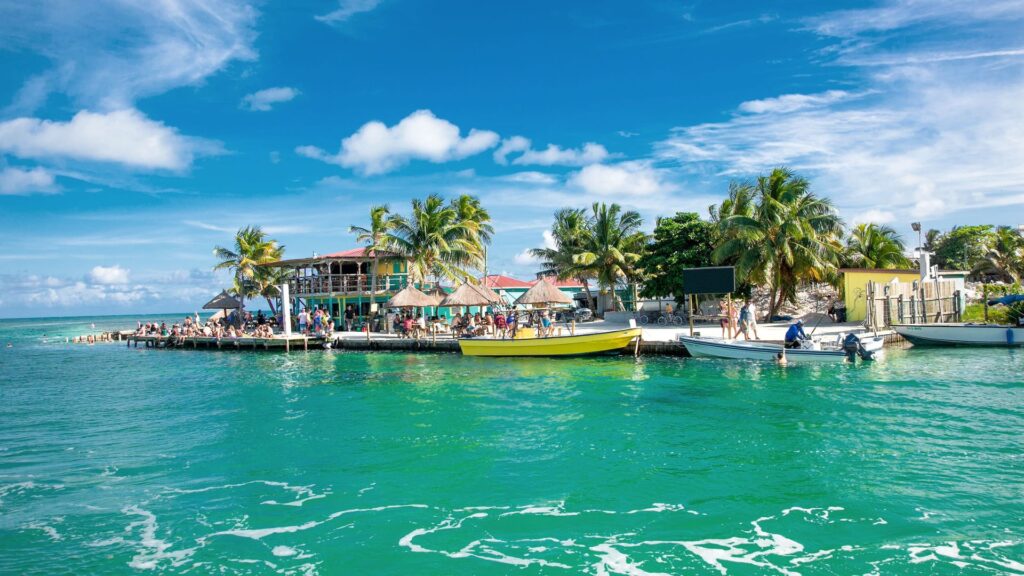
In addition, Belize offers favorable conditions for business incorporation, low property taxes, and limited income taxation. Its proximity to Mexico and relaxed lifestyle further enhance its appeal for investors seeking flexibility and simplicity.
1. Hong Kong
Hong Kong remains one of the world’s most important financial centers – and capital gains are not taxed.

True to its long-standing respect for capital, investment profits are generally exempt. Exceptions exist for employee share schemes, which are taxed as income. Expats should also be mindful of Hong Kong’s limited network of double taxation treaties when exiting.
Despite ongoing political uncertainty, Hong Kong continues to operate as a highly efficient, low-tax jurisdiction. As always, diversification remains key – even the freest economies can change.
Final Thought
Jurisdictions with no capital gains tax can play a powerful role in a global wealth strategy—but the details matter. Residency rules, substance requirements, exceptions, and future policy shifts all need careful planning.
A well-structured, diversified approach ensures that your assets remain protected—no matter where the world moves next.

